Available 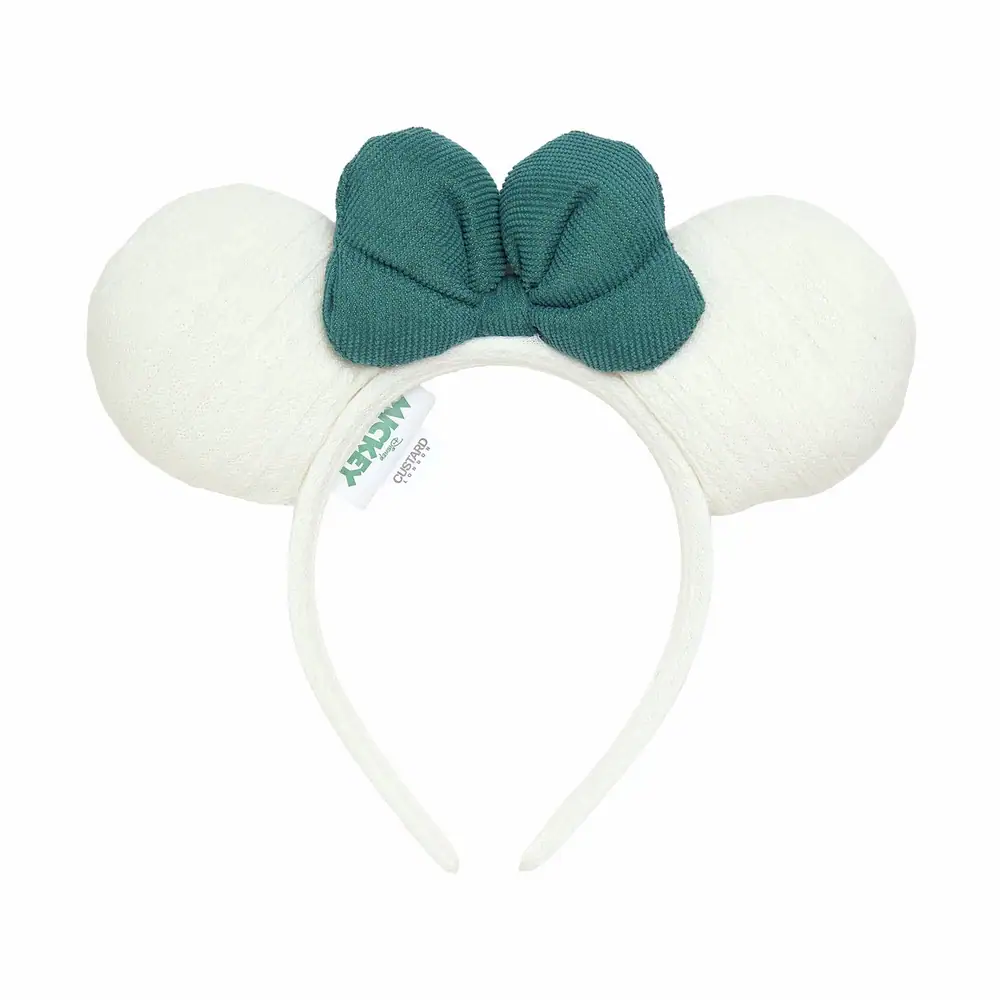
Guide
Use the retailer’s age guidance first, then compare the child’s current skills, play style and the toy’s real format before you buy.
ReviewToys may earn a commission if you buy through links on this site.
Last verified: 2026-10-18
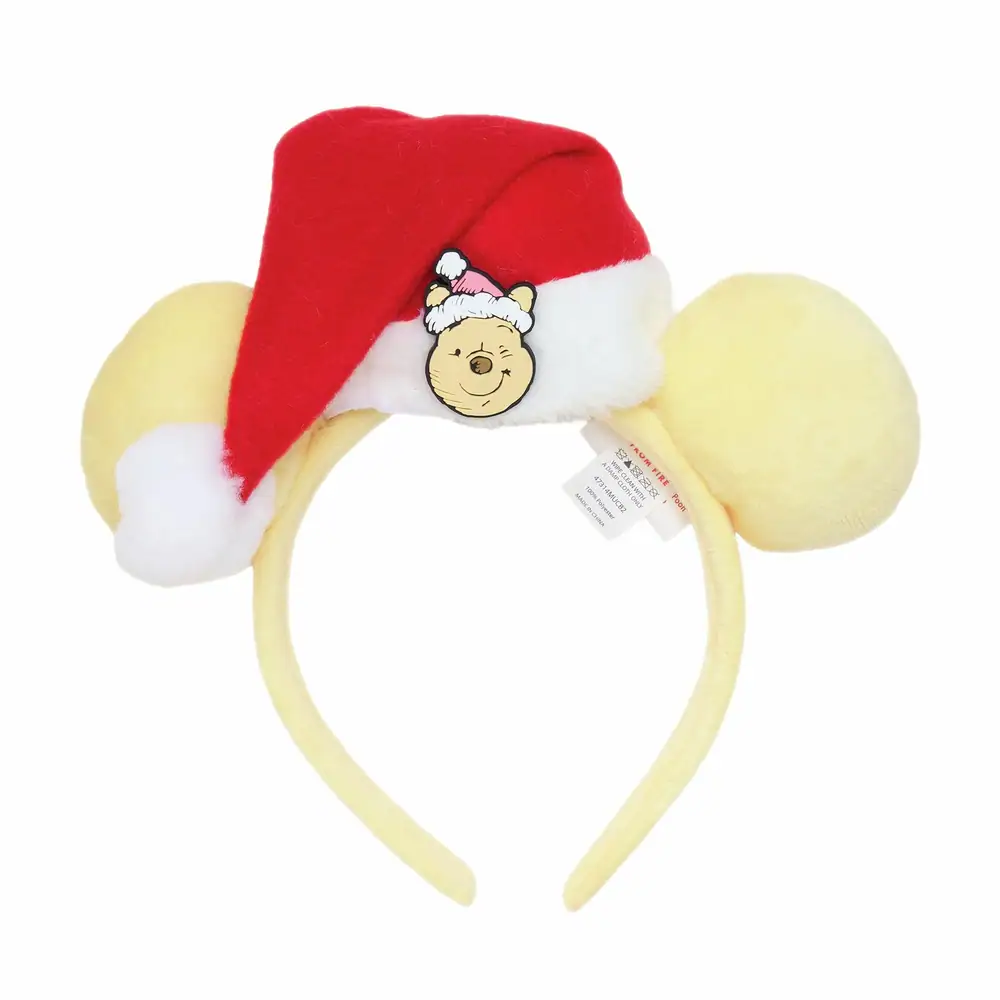
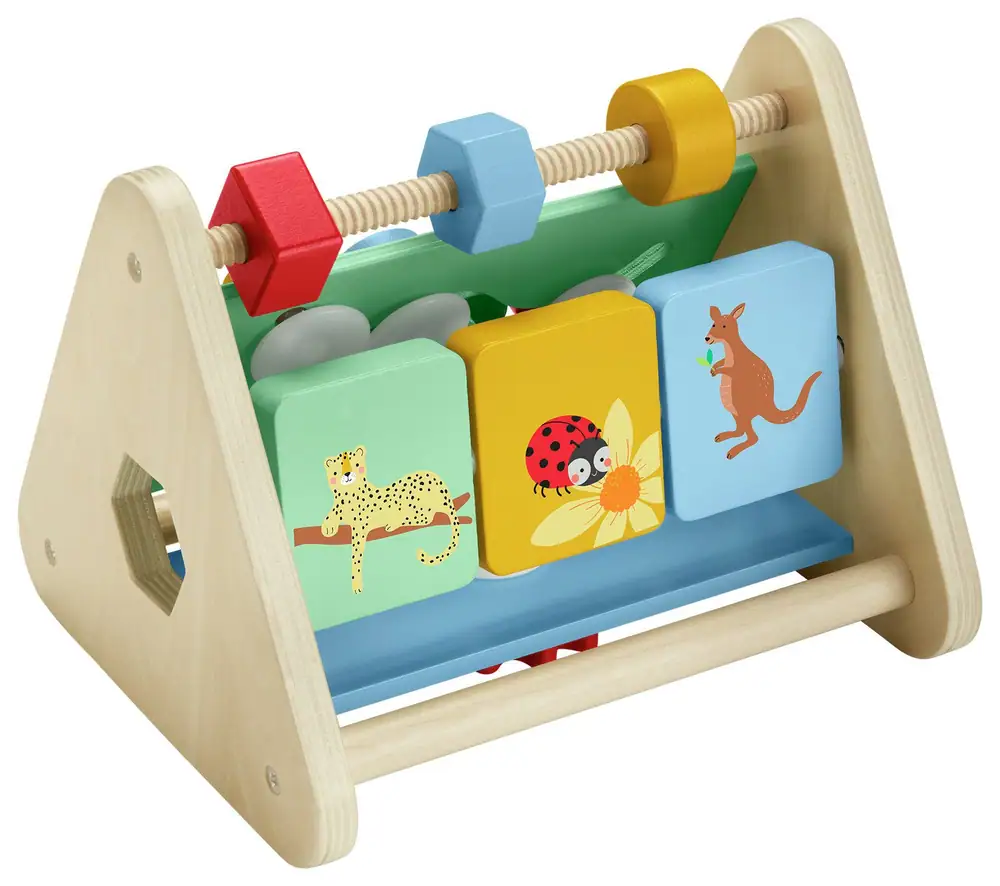
Age labels are a starting point, not a promise that every child will love or be ready for the toy. The safest first check is the retailer’s stated age guidance, then any warning about small parts, loose components or supervision needs. In this shortlist, the Fisher-Price Wooden Activity Triangle Fine Motor Toy sits at the infant end with six months upwards guidance, while the Disney headband items are wearable novelty pieces rather than baby developmental toys, even though they are soft-looking and low priced at £5.
A genuinely age-appropriate toy matches what the child can do now: grasp, twist, stack, imagine, or manage a simple sequence without constant adult intervention. The Fisher-Price triangle is the clearest example of focused fine-motor play, while the Disney Mickey Ears Headband with Bow and Disney Winnie The Pooh Ears Headband with Santa Hat are better judged as dress-up or gift items than as skill-building toys. That difference matters because a low price does not mean the toy is right for the child’s current attention span or coordination.
If a toy looks too simple, the child may lose interest quickly; if it looks too advanced, it may need more adult support than the listing suggests. For younger siblings in the home, loose parts and worn components need extra checking, especially if an older child’s toy is being passed down. In this set, the activity triangle is the only item with a visible review details, at 4.8/5 from 4 reviews, but that does not replace the retailer’s age guidance or tell you how well it fits a child who sits between age bands.
Soft toys, educational toys and wearable novelty items can all be age-appropriate, but only if the format matches the child and the occasion. A Fisher-Price educational toy like the Wooden Activity Triangle suits buyers looking for active manipulation and basic skill practice, while the Disney headband examples are more seasonal, costume-led or gift-led. Before buying, check what is included, whether batteries or accessories are needed, and whether the product page clearly states the intended age range rather than leaving you to infer it from the brand name.
The strongest practical takeaway is that age suitability and individual ability are separate decisions: the retailer age label sets the baseline, but the child’s current skills decide whether the toy will be manageable or frustrating. The comparison set is narrow, but it still shows a useful spread: £5 Disney headbands at the value end and a £13.30 Fisher-Price educational toy at the higher end, with only the Fisher-Price item carrying a visible rating details. This is a comparison aid, not independent lab evidence, so the safest move is to verify the live listing for age guidance, contents and any supervision notes before buying.
Start with current price and availability, because the shortlist spans £5 to £13.30 and value depends on whether the listing still matches the price shown here. Then check the product page for included parts, any accessory or battery requirements, and the exact age guidance, especially on the Disney wearable items where the positive age metadata is incomplete. If you want more confidence from shopper feedback, the Fisher-Price Wooden Activity Triangle Fine Motor Toy currently has the only visible rating details in this set, but review counts should be treated as one input alongside build style, space needed and whether the toy suits a single child or shared play.
Last checked 2026-10-18. The source list below is included to help you check the details behind the comparison. Always confirm the latest price, delivery cost, stock status and product details with the retailer before buying.
Use these related toys guides and reviews to turn the advice into a practical shortlist.
Yes, treat it as the safest starting point, especially where small parts or supervision are involved. Then check whether the child’s current skills, attention span and interest level fit the toy’s play pattern, because a label alone does not tell you whether it will feel too easy or too demanding.
Choose the side that better matches the child’s present abilities, not the side that sounds more exciting on the packaging. If the child is in between, open-ended toys and items with a clear, simple play pattern usually make more sense than a novelty buy that depends on the child already liking the theme.
Look at the listing language, the age guidance and the product format. The Disney Mickey Ears Headband with Bow and Disney Winnie The Pooh Ears Headband with Santa Hat are better treated as novelty or occasion items than as developmental toys, so verify the intended use rather than assuming wearable means baby-friendly.
Not automatically. A toy like the Fisher-Price Wooden Activity Triangle can offer more focused fine-motor play, but value still depends on whether it fits the child’s age, interest and independence level. A cheaper item can be better value if it matches the child’s current stage more closely.
Check the exact age range, what is included in the box, whether batteries or extra accessories are needed, the current price, and whether there are any supervision or small-parts warnings. It is also worth checking stock, delivery or collection options, because a toy can look suitable on paper but change in value if the listing is missing key details.