Available 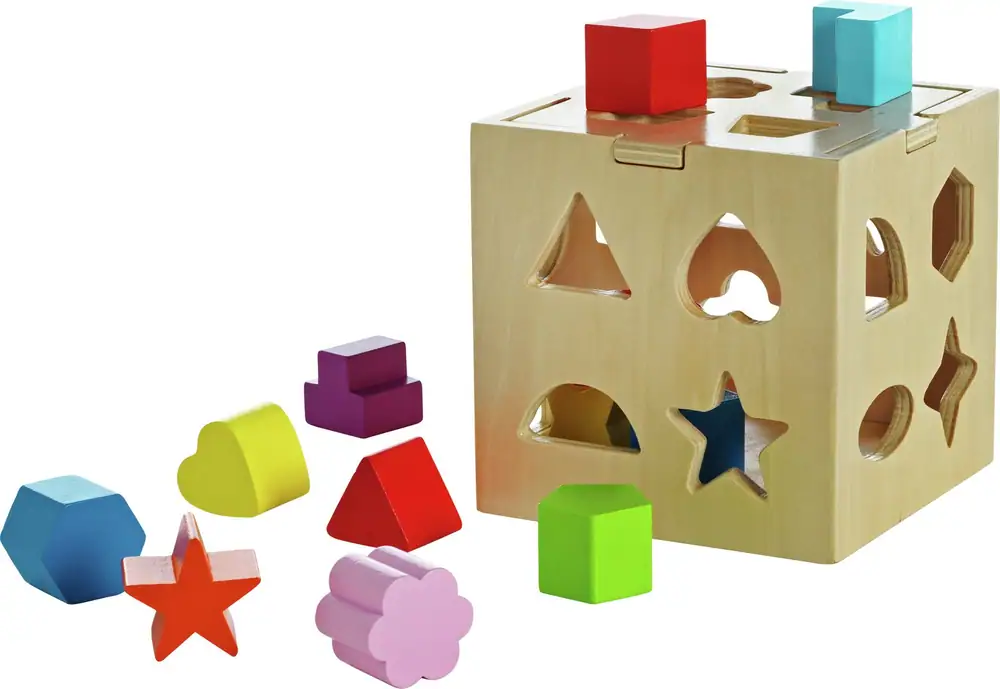
Guide
Choose toys by age range with a simple checklist for safety, play style and gift fit, using three Argos examples to compare educational and role-play options.
ReviewToys may earn a commission if you buy through links on this site.
Last verified: 2026-09-17
Age labels are a starting point, not a guarantee that a toy will suit every child. They help you judge whether the toy’s parts, complexity and play pattern feel appropriate for the child’s current stage, while also flagging small-parts and choking-risk concerns for younger children. On the current shortlist, the Chad Valley PlaySmart Wooden Shape Sorter is listed at £10, which shows how a simple educational toy can sit at the lower end of the range while still needing the same age-checking as anything dearer.
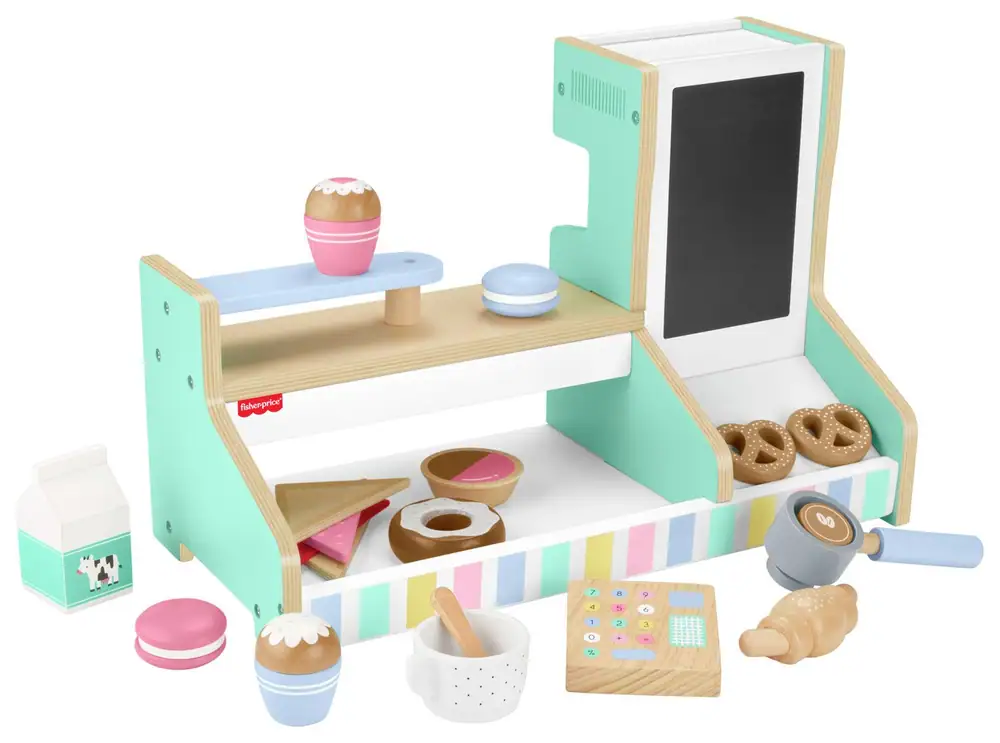
The best match is usually about what the child can do now, not just the number on the box. Sorting toys and fine-motor toys tend to suit active, early learning play, while the Fisher-Price Wooden Role Play Coffee Shop Set at £15 leans more toward imagination and pretend scenarios. If a child likes lining up, matching or fitting pieces together, the educational options may hold attention better; if they enjoy make-believe, a role-play set can feel more inviting.
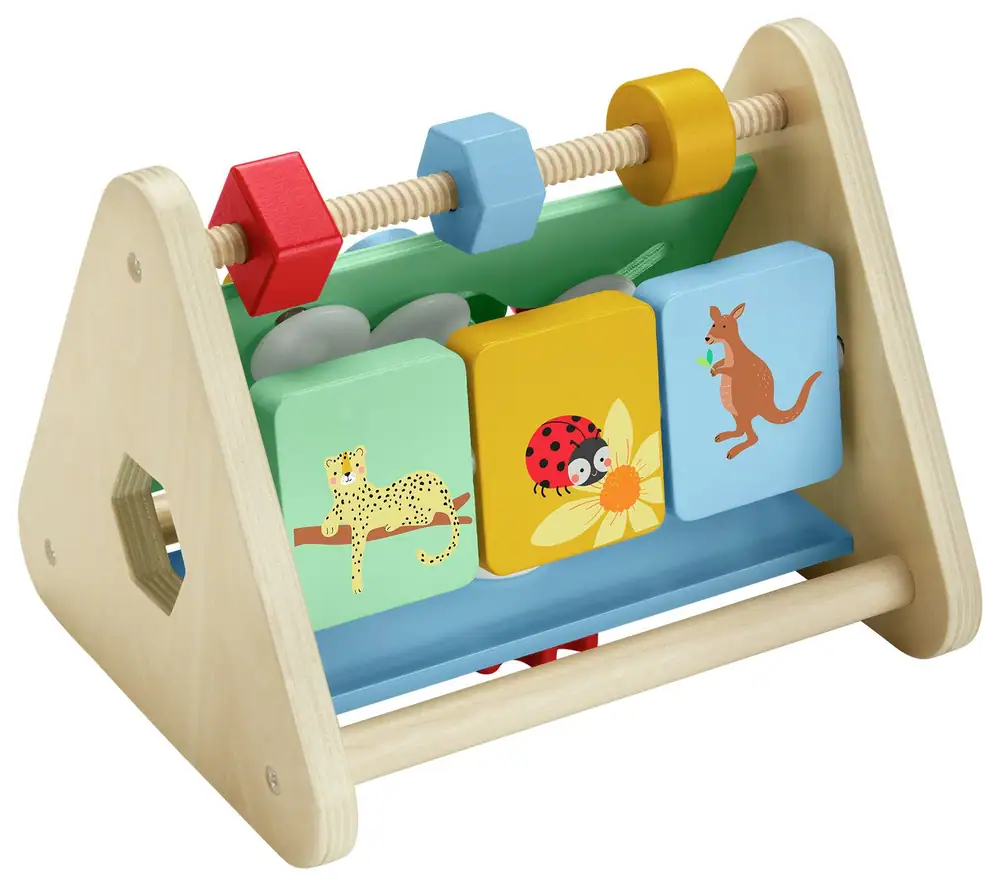
A toy is too advanced when it asks for coordination, attention or problem-solving the child does not yet have, which can lead to frustration instead of play. A toy is too simple when the child can solve it instantly and has no reason to come back to it. That is why the Fisher-Price Wooden Activity Triangle Fine Motor Toy at £20 may suit a child ready for more variety, while the £10 shape sorter may be a better calm, repeatable starting point for earlier stages.
For younger children, simple educational toys usually make the clearest starting point because they are easy to understand, easier to supervise and often encourage repeated play. The shortlist shows two baby-and-toddler educational options from Chad Valley and Fisher-Price, plus a Fisher-Price role-play set at £15 for children who are more drawn to imitation and storytelling. That spread is useful because it shows how age fit and play style can point you toward different toy types, not just different prices.
Before you add a toy to basket, check the stated age range, any small-parts warnings, and whether batteries or extra accessories are needed. Then confirm whether the current price still looks sensible for the toy type: the shortlist runs from £10 to £20, so the real value question is whether the toy matches the child’s stage and play interests rather than whether it is cheapest. Finally, check stock and delivery or collection details on the live retailer page before you commit.
Public toy-safety guidance consistently treats the printed age range as a useful first filter for safety, usability and developmental fit, especially for younger children. It also highlights small-parts and choking risks, and points shoppers toward toys that suit the child’s abilities and interests rather than age alone. For example, the Chad Valley PlaySmart Wooden Shape Sorter at £10 sits in the educational toy category, while the Fisher-Price Wooden Role Play Coffee Shop Set at £15 is a role-play option; those two types serve different play needs even before you compare price. This is a shortlist to compare, not a definitive ranking, and there were no review counts or ratings supplied for these items.
If you want the simplest, lowest-price educational starting point, the Chad Valley PlaySmart Wooden Shape Sorter at £10 is the obvious budget anchor. If you want a more brand-familiar educational option and are happy to spend more, the Fisher-Price Wooden Activity Triangle Fine Motor Toy at £20 sits at the top of the price range; if you want imaginative play instead, the Fisher-Price Wooden Role Play Coffee Shop Set at £15 sits between them and changes the play pattern completely. Because review evidence is limited, compare the current retailer description, included parts and age guidance carefully before buying.
Last checked 2026-09-17. The source list below is included to help you check the details behind the comparison. Always confirm the latest price, delivery cost, stock status and product details with the retailer before buying.
Use these related toys guides and reviews to turn the advice into a practical shortlist.
Not exactly. The age range gives a helpful starting point for safety and stage fit, but a child’s current skills, attention span and interests matter just as much when you compare a shape sorter, a fine-motor toy or a pretend-play set.
Look at how much coordination, problem-solving and concentration it needs. If the child needs lots of adult help or loses interest immediately, it may be too advanced or too simple; the £10 sorter and the £20 fine-motor triangle are useful examples to compare against a role-play set.
Verify the exact age guidance, any small-parts warnings, whether batteries or extra pieces are included, the latest price, and stock or delivery options. With no visible ratings or review counts on this shortlist, the product page details matter more than star averages here.
Not always. Educational toys like the Chad Valley shape sorter or Fisher-Price fine-motor triangle may suit sorting and active play, while a role-play set like the Fisher-Price coffee shop can be better for imagination and storytelling. The better choice is the one that fits the child’s current play style.
Focus on fit, flexibility and the likely play lifespan. A £10 toy can be better value than a dearer one if it matches the child well, and a £15 role-play set may offer more varied use than a narrower toy. Without review counts, the safest comparison is age fit plus play purpose.