Available 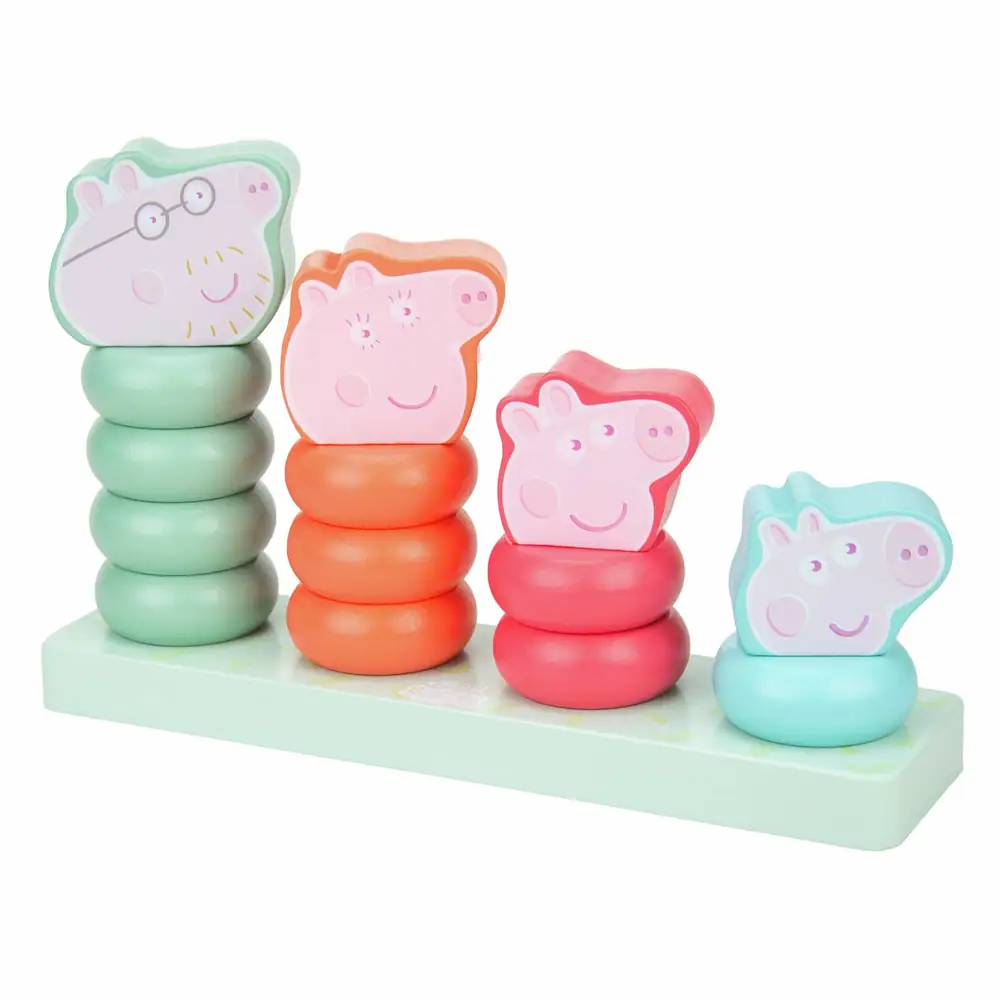
Guide
A practical guide to choosing toys that fit a child’s current stage, play style and space, using budget Peppa options and a premium playhouse as examples.
ReviewToys may earn a commission if you buy through links on this site.
Last verified: 2026-08-14
Age labels are a useful starting point because they usually reflect size, complexity and the kind of play the toy encourages, but they are not the only check to make. The two Grow With Peppa examples in this shortlist sit at the budget end at £12 and £18, while the TP Toys Wooden Cubby Play House With Mud Kitchen is a much bigger £180 comparison point, so the right choice depends on the child’s stage as well as your space and budget. Public guidance also stresses cautious safety checking: confirm the retailer’s stated age range, look for any warnings about small parts or breakage risk, and avoid assuming a toy suits a child below the listed age.
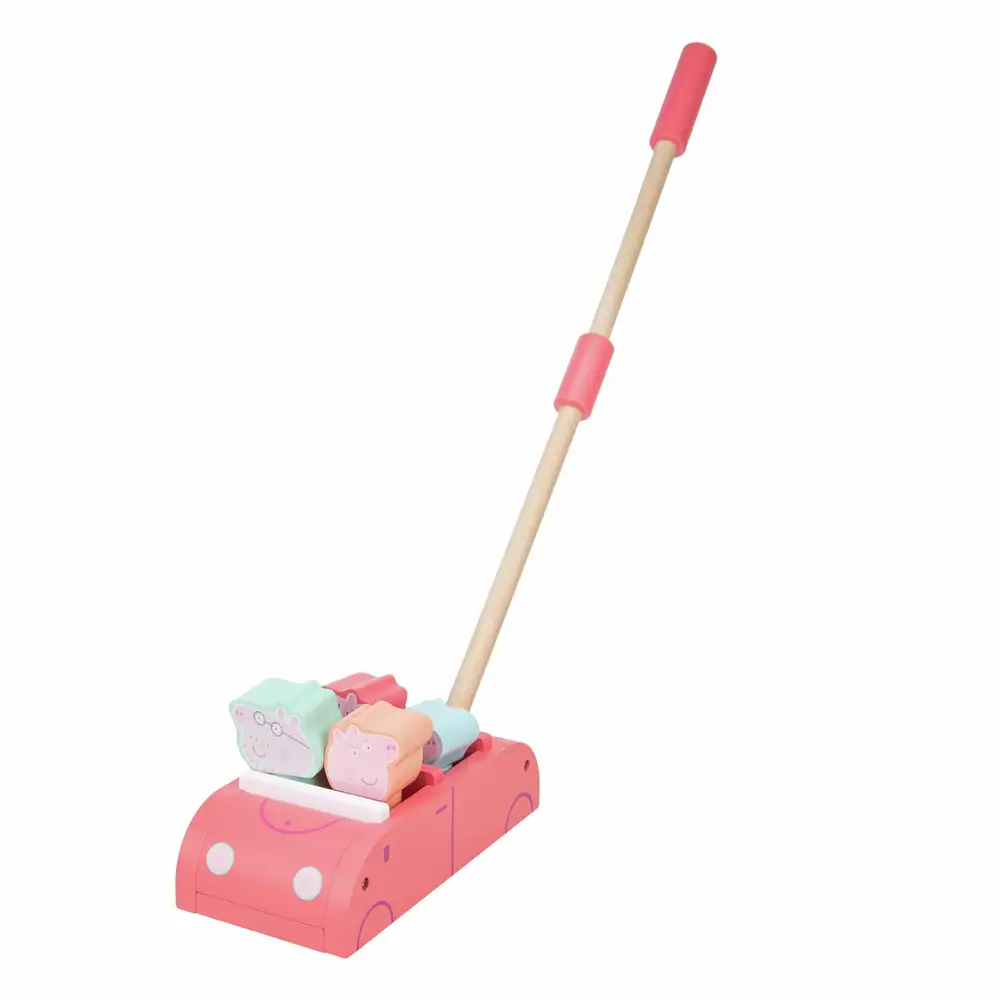
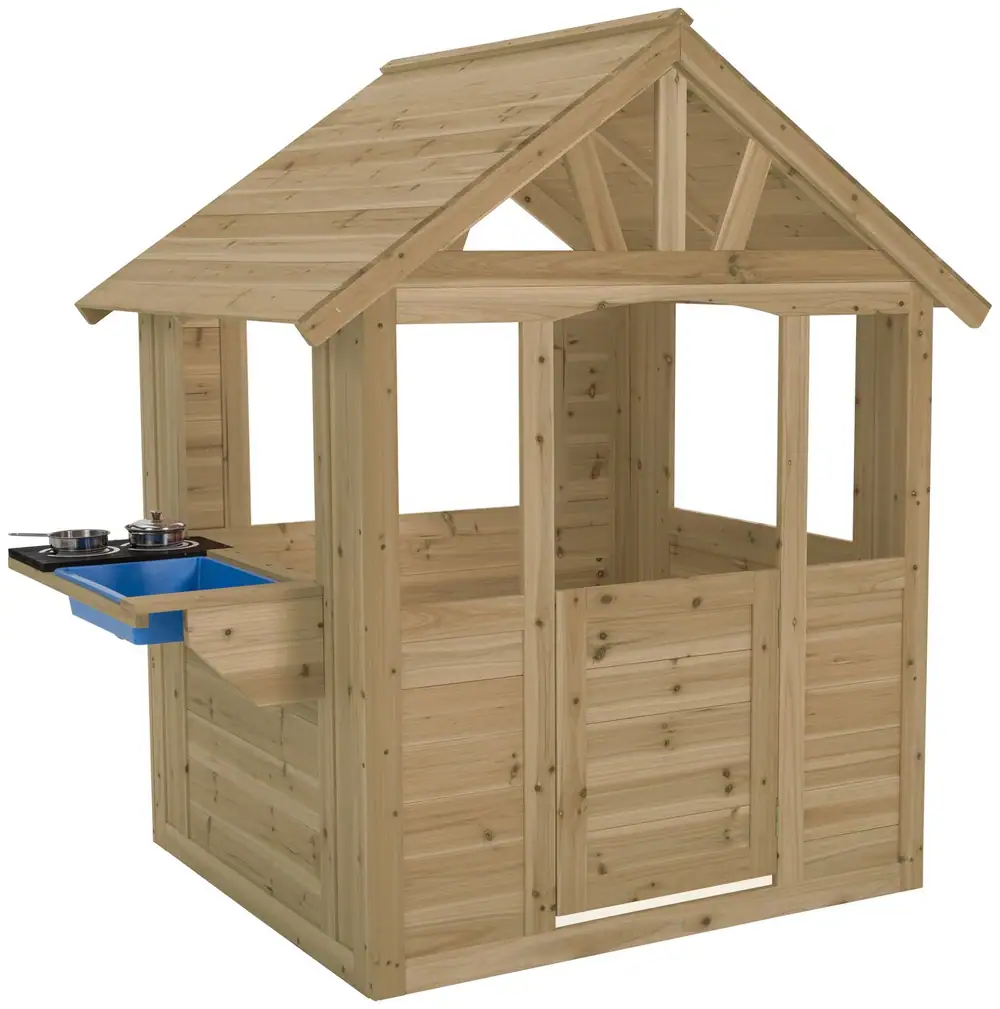
A good way to compare toys is by play pattern, not just by category name. A stacking ring set like Grow With Peppa Pig Family Stacking Ring Set points toward simple handling and sorting, the Grow With Peppa Pig Push Along Family Car Toy leans more toward movement and push-along play, and a wooden cubby play house with mud kitchen opens up much larger imaginative play and shared role play. The key shopper question is whether the toy invites interaction, language, movement or problem-solving at the child’s current stage, rather than whether it sounds educational on the product page.
Longevity is often about openness and build expectations rather than price alone. A £12 stacking toy may stay useful if a child can return to it in different ways, while a £180 playhouse can justify its cost only if you have the space and the child is ready for a larger play setup; otherwise it may feel oversized. Check whether batteries, extra accessories or a lot of floor space are needed, and look for practical care details too, because washable or easy-to-clean toys can be especially handy for toddlers.
Older children often want toys that feel less obvious and more tailored to their interests, so age fit becomes a balance of challenge, attention span and play preference. A simple educational toy may still work if it supports shared play, but children who want a bigger role-play setup may be better matched to something like the TP Toys wooden cubby play house, provided you can accommodate the size and higher spend. The safest approach is to start with the retailer’s age band, then check whether the child’s actual skill level and interests suggest a simpler or more ambitious option.
The strongest guidance behind this article is consistent: choose toys by developmental stage, not just chronological age, and prioritise play that supports caregiver interaction, language and movement. That matters here because the shortlist has no visible ratings or review counts to lean on, so the best comparison is the one you can verify from the product page: age range, included parts, batteries, space needs, care notes and any warnings. Last checked 2026-08-14, this page is deliberately a cautious shortlist-style guide, so treat the Grow With Peppa items and the TP Toys playhouse as comparison points rather than a definitive ranking.
If you want the value route, the two Grow With Peppa educational toys are the first place to compare because they sit at £12 and £18 and are easier to justify for family play or a small gift. If you want a bigger statement purchase, the TP Toys Wooden Cubby Play House With Mud Kitchen is the clear premium comparison at £180, but it also raises bigger questions about space, assembly and whether the child is ready for that kind of setup. Before buying, check the latest price, stock and delivery options on Argos, then weigh whether the toy will suit one child’s solo play or better support shared play and longer-term interest.
Last checked 2026-08-14. The source list below is included to help you check the details behind the comparison. Always confirm the latest price, delivery cost, stock status and product details with the retailer before buying.
Use these related toys guides and reviews to turn the advice into a practical shortlist.
Yes. A toy can still be poorly matched if it is too simple, too complex or the wrong play style for the child’s current stage, even if it looks fine from a safety point of view. Always check the retailer’s age guidance as well as the toy’s size, parts and likely play pattern.
Start with the child’s current interests and the space you have. A £12 or £18 Grow With Peppa toy may suit quick, shared play and gifting, while the £180 TP Toys wooden cubby play house makes more sense if you want a larger imaginative setup and can justify the footprint and spend.
Confirm exactly what is included on the product page, because extra batteries or add-ons can change the real cost. For bigger toys, such as a play house with mud kitchen, check footprint, assembly requirements, delivery options and whether the child will still have room to play comfortably.