Available 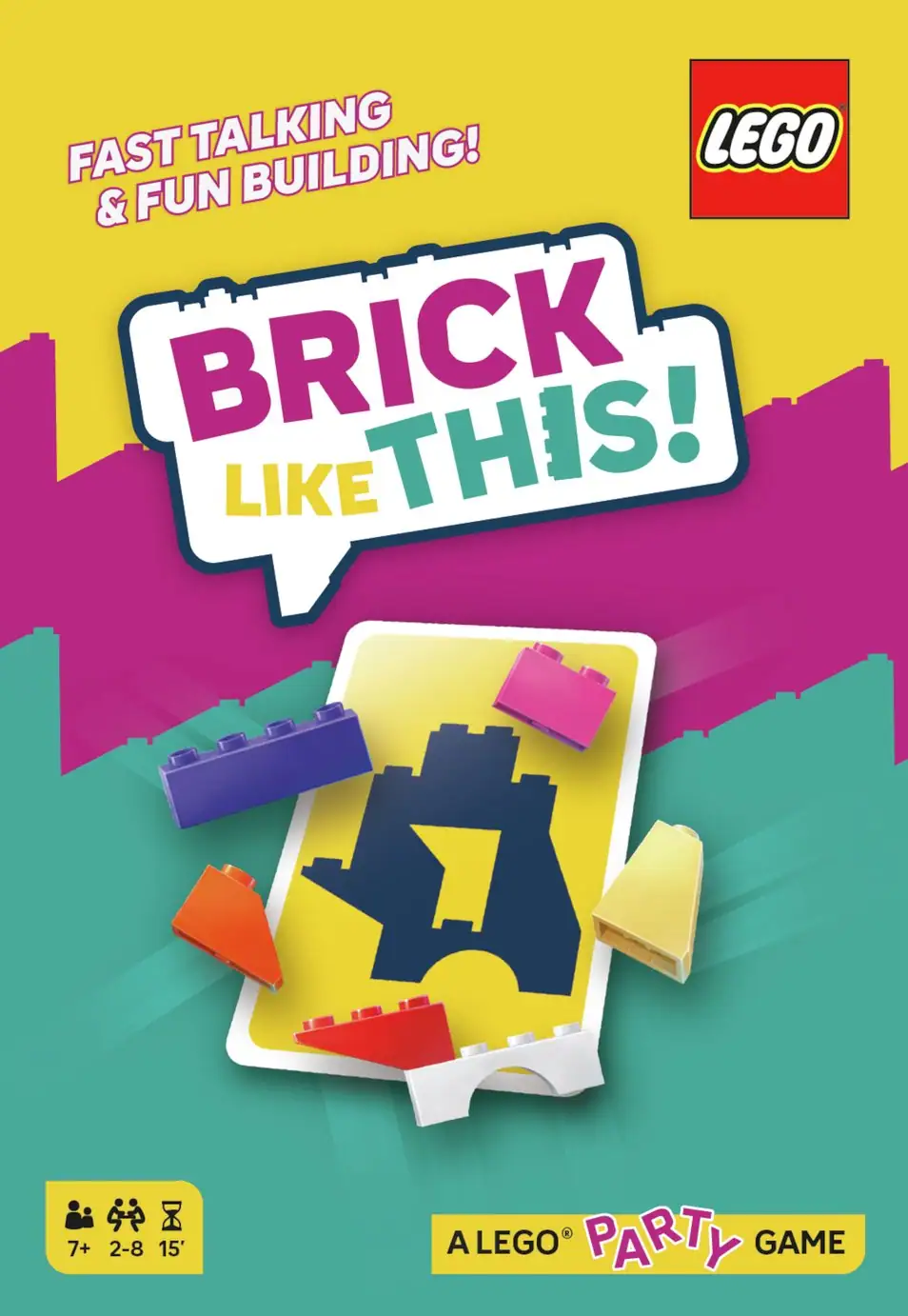
Guide
A practical guide to choosing toys by age fit, play style and gift occasion, with cautious examples from Argos and clear checks to make before you buy.
ReviewToys may earn a commission if you buy through links on this site.
Last verified: 2026-09-21
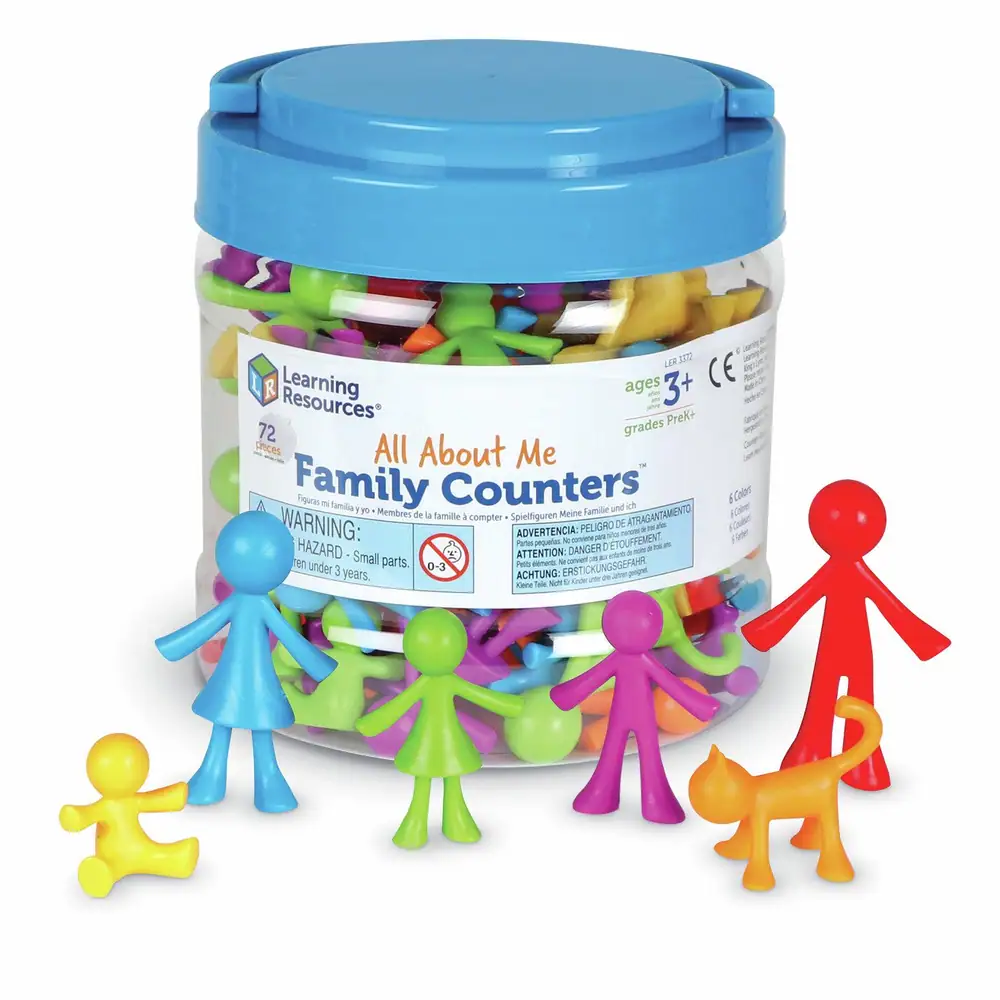
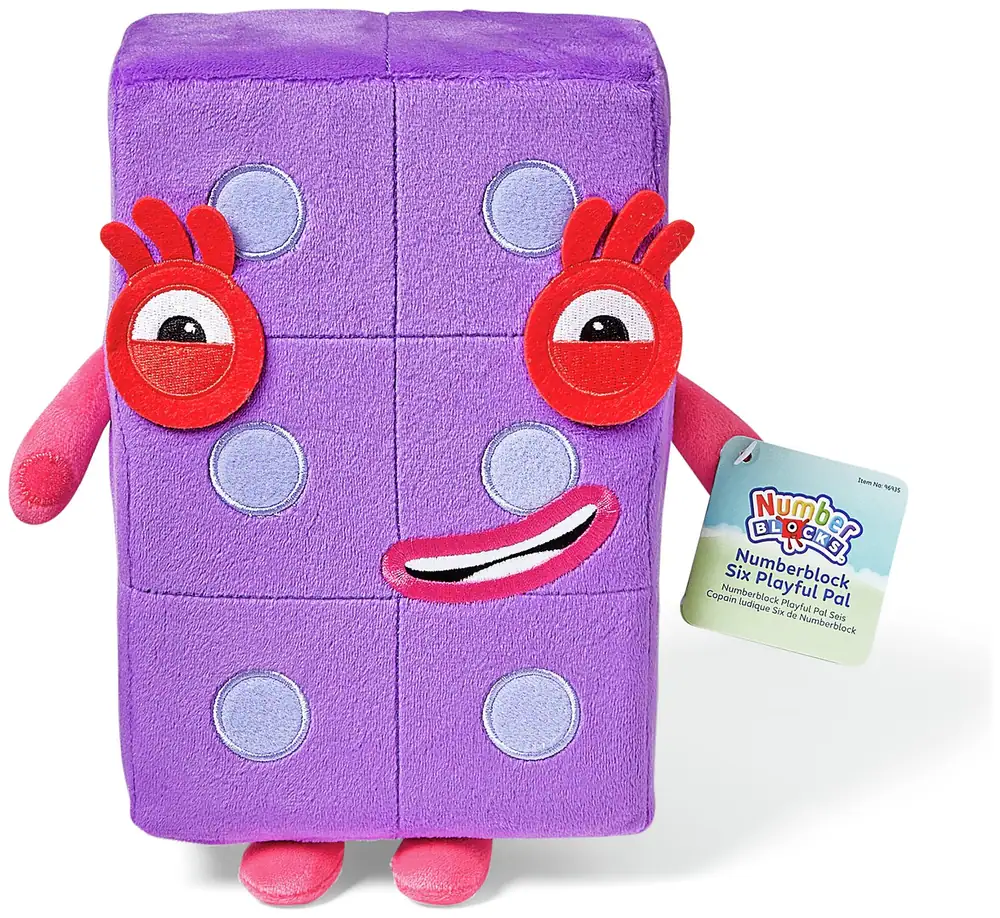
Age-appropriate is about more than the number on the box. Argos organises toys by broad age bands and interests, which is useful because age labels usually point to safety, complexity and how a toy is meant to be enjoyed. Public guidance also treats the printed age range as a starting point, especially for younger children where small parts and simple handling matter most. In the shortlist, Dotted Games Brick Like This LEGO Building Game is £14.40, Learning Resources All About Me Family Counters Set is £22, and Learning Resources Numberblocks Six Playful Pal is £20, so the price spread is small enough that fit and play style matter more than price alone. Check the live retailer page for the latest age guidance and product details before buying.
A good match starts with the child’s current stage, then narrows by interests and attention span. For younger children, simpler formats and clearer play patterns tend to work better; for older children, toys with more steps, building, or guided learning can hold attention for longer. That is why the three examples here sit in different lanes: a LEGO-style building game for family play, an educational counters set from Learning Resources, and a Numberblocks soft toy that leans toward character-led comfort as well as learning appeal. If you are buying for a birthday or holiday and do not know the child well, broader-stage or more open-ended toys are usually easier to shortlist than something highly specific.
Look for friction points before you buy: lots of tiny pieces for a younger child, instructions that seem too complicated for the child’s current attention span, or a format that could be quickly outgrown. The safety side matters as well, because age guidance is linked to small-parts risk as much as play enjoyment. A toy can also be too young if it leaves an older child bored after a few minutes, which is where open-ended play or a multi-stage design can help. For the shortlist, the building game is more likely to suit children who enjoy shared construction play, while the counters set is better if the appeal is active learning rather than freeform imagination. Always defer to the retailer’s stated age range on the live listing.
Different toy types solve different gift jobs, so compare them by play style rather than treating them as interchangeable. Soft toys such as Learning Resources Numberblocks Six Playful Pal suit comfort-led gifting and character appeal, while educational sets like Learning Resources All About Me Family Counters Set make more sense when you want guided learning or counting-style play. Building toys such as Dotted Games Brick Like This LEGO Building Game are a stronger fit when the child enjoys making, comparing, or playing together as a family. The practical trade-off is space and setup: building and educational toys may need more table time or adult support, while a soft toy is easier to hand over quickly and enjoy straight away.
Before checking out, ask five questions: does the retailer’s age range fit the child; does the toy need batteries, small parts or extra accessories; is the latest price still in line with the value you expect; is stock or delivery available when you need it; and does the play style suit solo, guided or family use. Brand familiarity can help as a soft confidence signal, which is why names like LEGO and Learning Resources may feel reassuring, but brand alone is not proof of fit. The shortlist sits from £14.40 to £22, so the better buy is the one that matches the child’s stage and the occasion, not simply the cheapest option. Confirm the live product page before ordering because some details were not visible during checking.
The wider guidance points in the same direction: start with age and safety, then narrow by stage, interests and play pattern. Argos frames age-based toy shopping as a way to reduce guesswork, and its browsing structure mixes age bands with interest-led categories such as STEM and toy themes, which is helpful when you are comparing different kinds of gifts. Public child-safety and development guidance also treats age labels as a starting point rather than a final decision, and notes that some toys stay useful across more than one age band when they offer open-ended or multi-stage play. For the shortlist, the three examples are Dotted Games Brick Like This LEGO Building Game at £14.40, Learning Resources All About Me Family Counters Set at £22, and Learning Resources Numberblocks Six Playful Pal at £20; that mix of LEGO/building play, educational counters and a soft toy makes the comparison useful, but there are no visible review counts or meaningful rating details, so treat the set as a cautious compare-and-choose group rather than a proven ranking.
The most useful trade-off here is not winner versus loser, but toy type versus occasion. Dotted Games Brick Like This LEGO Building Game at £14.40 is the lowest-priced example and may suit family play, Learning Resources Numberblocks Six Playful Pal at £20 leans more toward character-led comfort, and Learning Resources All About Me Family Counters Set at £22 sits highest in the range and reads most clearly as an educational pick. That means the better choice depends on whether you want building, learning, or comfort play, and whether the child has the attention span for a more structured toy. Because the retailer pages could not be fully checked, verify the live age range, any battery or accessory needs, and current stock before buying. Treat this shortlist as a starting point, not a final verdict.
Last checked 2026-09-21. The source list below is included to help you check the details behind the comparison. Always confirm the latest price, delivery cost, stock status and product details with the retailer before buying.
Use these related toys guides and reviews to turn the advice into a practical shortlist.
It usually reflects safety, small-parts risk, and the level of skill needed to enjoy the toy. Use it as your first filter, then check whether the child’s interests, attention span and play style match the toy as well.
If it has lots of tiny pieces, complex steps or needs more patience than the child usually has, it may be too advanced. If it looks likely to be mastered in minutes or quickly ignored, it may be too simple.
Not always. A toy like Learning Resources All About Me Family Counters Set may suit a child who enjoys guided learning, but a soft toy or building toy can be a better fit when the occasion is comfort, play together, or imaginative fun.
Yes. Those details can change whether a toy is easy to use, safe for the child’s stage and good value. If the live listing mentions batteries, extra pieces or a small-parts warning, it is worth checking before you order.
Sometimes. Open-ended or multi-stage toys can stay useful as a child grows, which is one reason a broader-age gift can be a sensible choice when you do not know the child well. Even then, safety guidance and the retailer’s age range should still come first.