Available 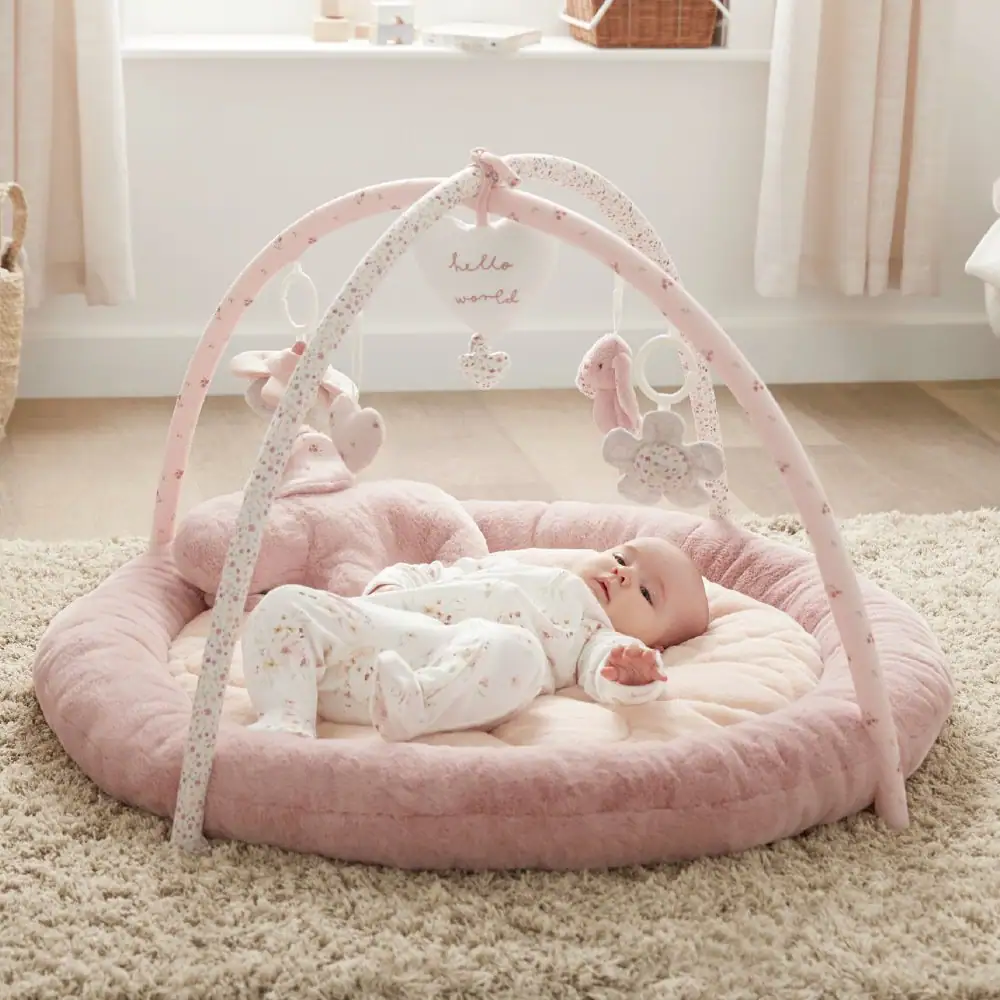
Mamas & Papas Comfy Padded Fux Fur Baby Playmat
from £87.
£87
Options tracked: Pink
Guide
Compare educational toys by age fit, play pattern and gift suitability so you can pick something fun, useful and stage-appropriate.
ReviewToys may earn a commission if you buy through links on this site.
Last verified: 2026-08-26
Argos frames educational toys as toys that help children think, learn and develop through play, which is a useful starting point for shoppers. In practice, that can mean puzzles, blocks, role-play sets, creative kits or simple activity toys that ask the child to do something active rather than just watch or press a button. The most helpful comparison is not the label alone, but what the child is actually doing: solving, building, talking, moving or pretending.
Start with the retailer’s stated age range and treat that as the first filter, especially for younger children where stage fit matters a lot. Public guidance for under-2s leans toward exploratory, sensory and cause-and-effect play, while Argos’ age-stage advice for 2–3s groups educational toys around brain, physical and social development. If a toy looks too advanced, too fiddly or too passive for the child’s age, it is usually better to move on and compare another option.
A toy usually offers more value when it supports repeat play and more than one way to use it, rather than doing all the work for the child. Open-ended toys such as blocks and simple puzzle sets are often useful because the child can return to them in different ways as skills grow. It is also worth checking whether the toy needs adult support, batteries or extra accessories, because those details can change both convenience and how independently the child can play.
If you are comparing options at Argos, it helps to think in play types: problem-solving toys for thinking, building toys for fine motor and spatial play, role-play toys for language and social interaction, and creative kits for imagination. A gift can still feel playful if it fits the child’s interests, whether that is a simple puzzle, a block set or a character-based role-play item. The best fit is usually the one that matches both the child’s stage and the occasion, rather than the one with the broadest learning slogan.
The common mistake is buying something that sounds educational but feels too much like schoolwork, too electronic or too complicated for everyday play. Public guidance consistently favours active, child-led or guided play, so it is worth checking whether the toy leaves room for imagination and decision-making instead of only flashing lights and sound. Batteries, added pieces and assembly can also affect value, especially if you want a gift that is easy to open and enjoyable straight away.
The stronger public guidance is about learning through play in general, not about one toy beating another in a controlled comparison. Argos positions educational toys as helping children think, learn and develop, and its 2–3 age guidance groups them around brain, physical and social development. CDC, Head Start, the AAP and UNICEF all point toward active, child-led or guided play, which supports language, motor, cognitive and social development in broad terms, but does not prove product-by-product superiority.
Because visible review details and product-by-product comparison depth are limited here, the safest approach is to shortlist by fit rather than by a supposed winner. For example, a simple puzzle set, a block pack or a role-play kit can all be educational, but they suit different children: one may reward problem-solving, another open-ended building, and another language or social play. On Argos, that means checking the exact age range, what is included, whether batteries are needed, the current price and any stock or delivery note; if ratings or review counts are shown, use them as a support signal rather than the deciding factor. If two toys look similar, compare the one that offers more repeat play, better stage fit and less setup against the one that looks more impressive but may need more adult help. A few useful examples from the category are simple puzzles, block sets and role-play toys, because they are repeatedly used in child-development guidance as open-ended play materials. For a real-world check, a shopper might compare an Argos puzzle set in the 2–3 age band against a Chad Valley block pack or a Learning Resources role-play-style learning toy: the better pick depends on whether the child prefers thinking, building or pretend play, and on whether the listing shows batteries, extra pieces or a higher total price for features they may not need. Quick checklist: does the toy match the stated age range, invite active play, work in more than one way, avoid unnecessary extras, and feel like a good gift rather than a mini lesson?
from £87.
£87
Options tracked: Pink
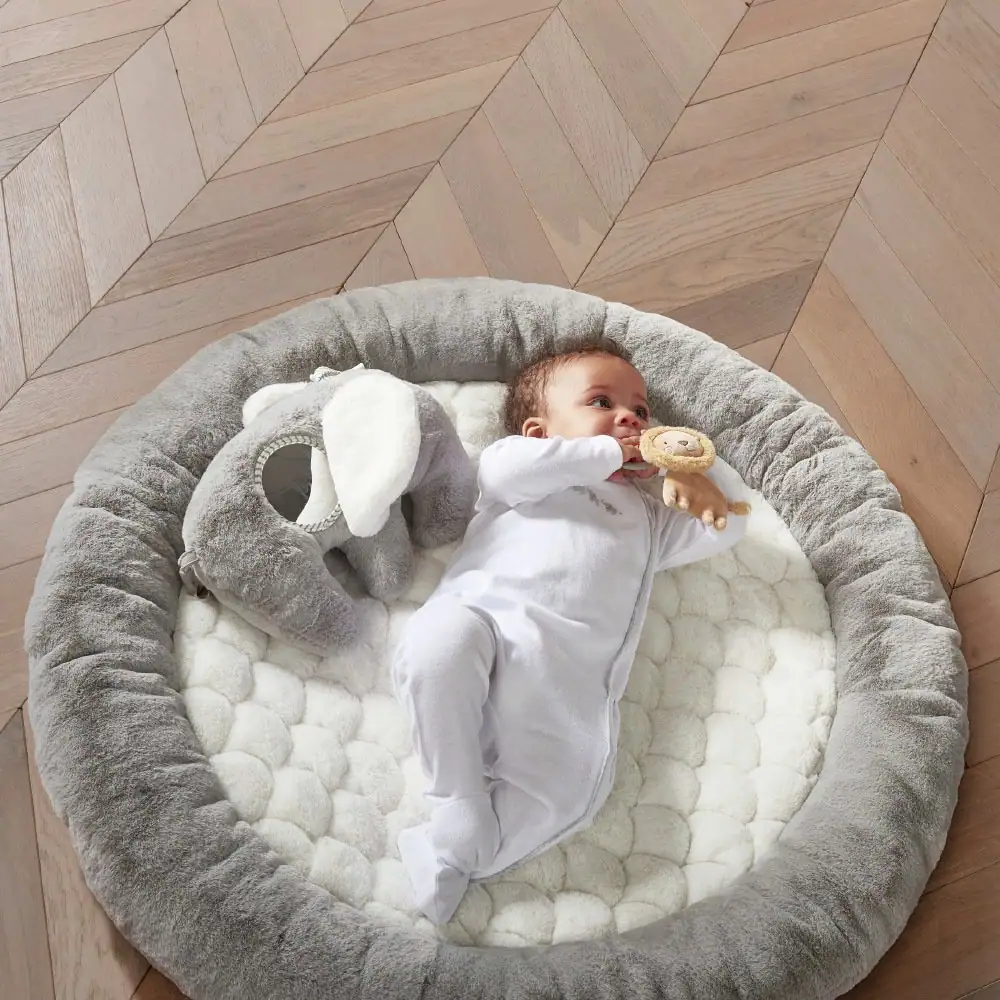
from £76.
£76
Options tracked: Grey
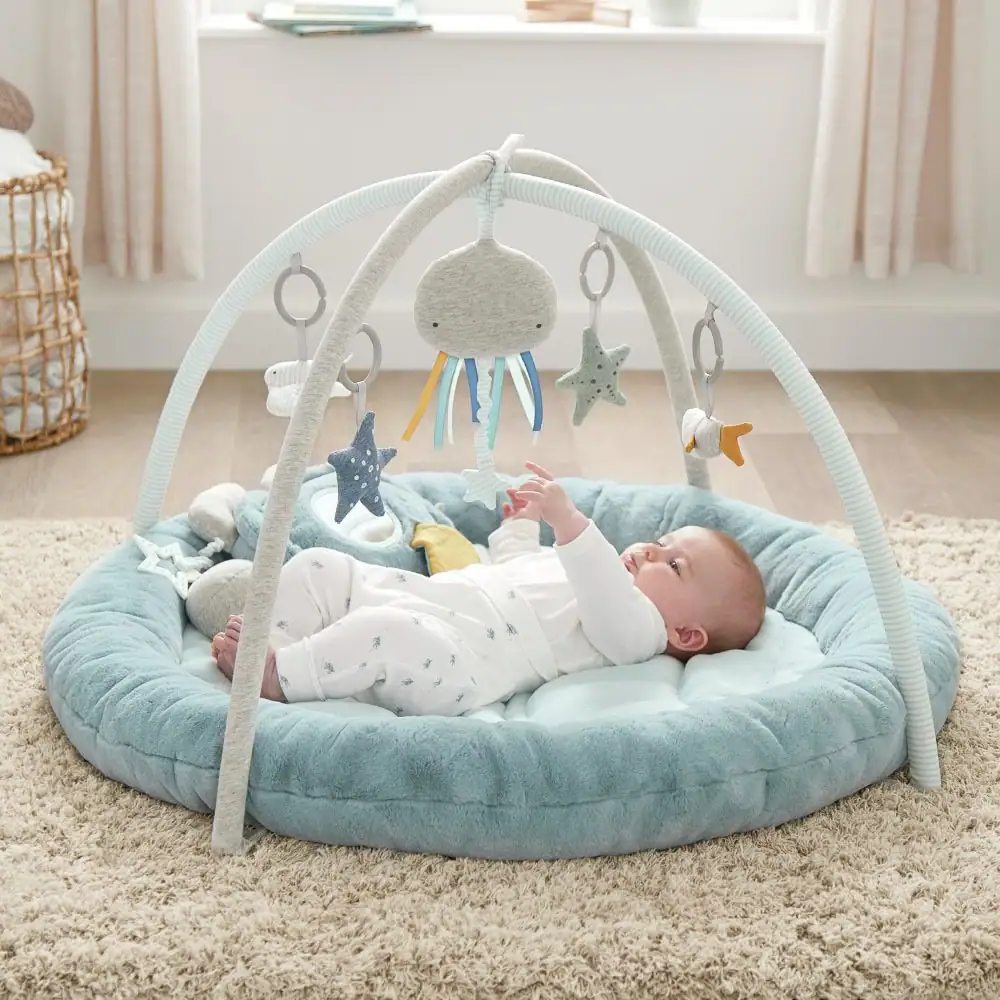
from £87.
£87
Options tracked: Blue
Last checked 2026-08-26. The source list below is included to help you check the details behind the comparison. Always confirm the latest price, delivery cost, stock status and product details with the retailer before buying.
Use these related toys guides and reviews to turn the advice into a practical shortlist.
An educational toy is usually one that asks the child to think, build, talk, move or solve something during play. The key difference is not the label on the box but whether the toy encourages active, repeatable play instead of doing everything for the child.
Use the retailer’s stated age range first, then think about the child’s stage and attention span. For under-2s, exploratory and sensory play is usually a better fit, while toddlers and preschoolers often do well with puzzles, blocks, simple role play and other open-ended toys.
Not usually. Batteries and extras can add convenience or features, but they can also add cost, setup and dependency on the toy’s electronics. A simple block set or puzzle can be just as useful if it gives the child more ways to play and return to it often.
Often, yes, because they can be played with in more than one way and returned to again as skills grow. Blocks, puzzles and simple role-play items are helpful because the child still has to do the thinking, building or imagining rather than only watching the toy act on its own.
Yes. The best giftable educational toys usually feel playful first and educational second, so they suit the child’s interests as well as their age. A good test is whether the toy looks like something the child would choose to play with again, not just something that sounds sensible on paper.