Available 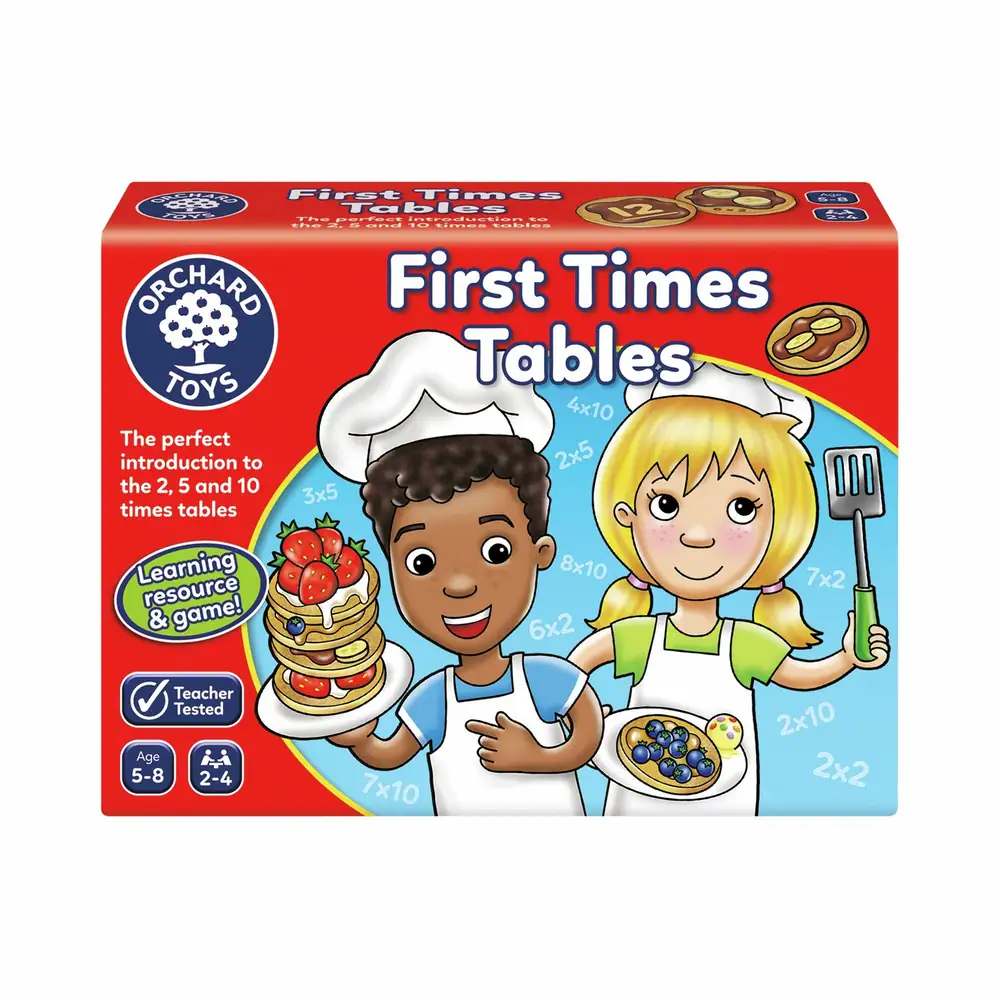
Guide
A cautious shortlist of family-time games and activities, using three Orchard Toys board games to compare mixed-age play, learning angle and value for money.
ReviewToys may earn a commission if you buy through links on this site.
Last verified: 2026-08-18
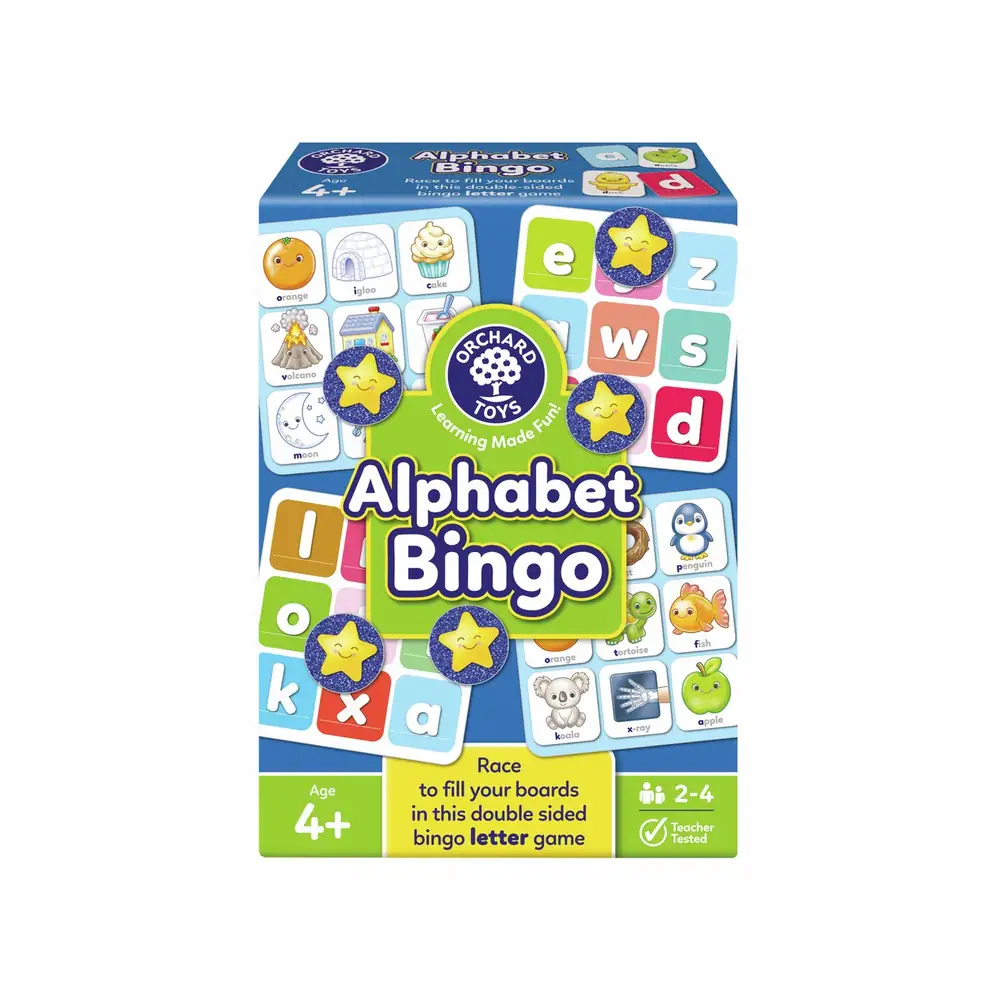
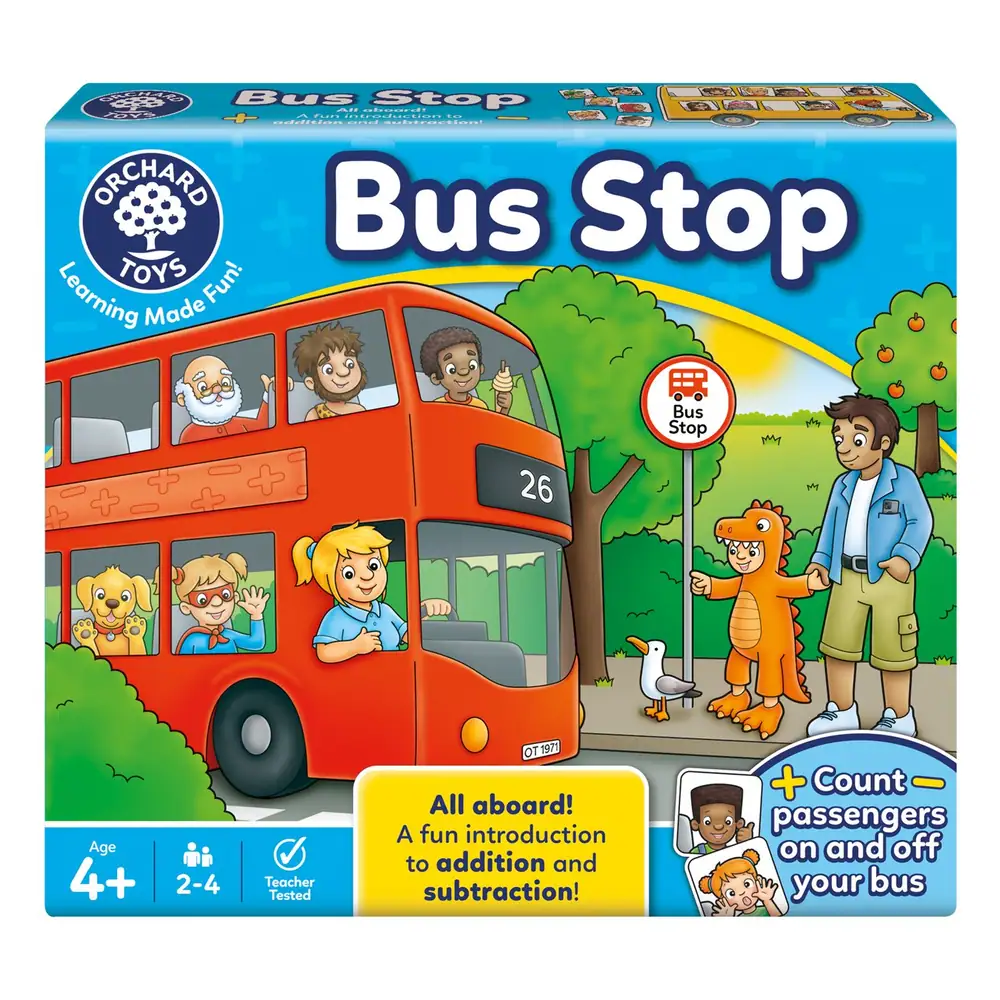
The best family-time toys are usually the ones that are easy to explain, quick to take turns with and enjoyable to replay. For this shortlist, the three Orchard Toys board games sit in a narrow price band: First Time Tables Board Game is £10, Alphabet Bingo Board Game is £10 and Bus Stop Board Game is £12. That makes the main question less about cost and more about which play pattern fits your household best. As a shopper, it helps to look first at shared play, simple rules, turn-taking and repeat value, then confirm the retailer-stated age range and player count before you buy.
Mixed-age play works best when the youngest player can join in without the older players feeling held back. In this set, First Time Tables leans toward structured maths practice, Alphabet Bingo sounds like the lightest entry point for shared play, and Bus Stop is described in wider research as a simple counting game with addition and subtraction around passengers. That gives you a useful trade-off: more learning focus can mean more teaching, while simpler rules can make the game easier to replay. For family buying, the best match is often the one that feels easiest to teach and least likely to frustrate a mixed-age table.
Board games are a practical choice when you want a shared activity that works indoors and can be brought out again and again. The Orchard Toys examples here are all family-play board games from the same brand, which makes them easy to compare on play style rather than packaging alone. If you are choosing for a gift, the £10-£12 range is useful because it keeps the purchase relatively modest while still leaving room for different levels of learning value and complexity. The strongest family activities are usually the ones that invite discussion, turn-taking and repeat sessions, not just a one-off unboxing moment.
This guide stays focused on table-top toys and games because they are often the easiest way for siblings and adults to join the same activity. If you are considering a more active family game, use the same shopping filters: can several children join in, does the setup stay simple, and is there enough replay value to justify the space it takes at home? A good family toy does not have to do everything; it just needs to suit the way your household actually plays together, whether that is after dinner, on a rainy weekend or during school holidays.
The most common mistake is choosing a game that sounds educational but ends up feeling too much like homework for the children who are least confident with the topic. First Time Tables may suit families that want a clearer maths angle, while Bus Stop appears to offer a simpler counting-and-turn-taking pattern that could be easier to keep moving. Alphabet Bingo may be the least intimidating of the three if you want a gentler shared activity. Before ordering, check the stated age guidance, player count and whether any extra parts or accessories are included, because those details matter more than a broad category label when you are buying for mixed ages.
The wider reading around family games points in the same direction: easy-to-teach rules, turn-taking and repeat play are what make a toy useful for a shared household activity. Public review details for Orchard Toys family games are positive in tone, but they come from parent and toy-review sources rather than lab-style testing, so they are best treated as buying clues rather than proof. The clearest comparison criteria are age fit, player count and skill fit, especially because the live Argos product pages were not accessible during checking and the retailer details could not be confirmed here. Treat the £10-£12 prices as provisional until you verify the live product page details.
The trade-off is fairly simple. First Time Tables at £10 is the most clearly learning-led option, Bus Stop at £12 sounds the most obviously family-play focused, and Alphabet Bingo at £10 looks like the gentlest mixed-age starting point. Because all three are Orchard Toys board games, the choice is mainly about fit: which one matches your children’s ages, confidence levels and tolerance for rules. If you want a shared gift for siblings or family game night, the best value is the one you are most likely to replay. Before buying, verify the retailer-stated age range, player count, current stock and any delivery or collection options on the live Argos page.
Last checked 2026-08-18. The source list below is included to help you check the details behind the comparison. Always confirm the latest price, delivery cost, stock status and product details with the retailer before buying.
Use these related toys guides and reviews to turn the advice into a practical shortlist.
The easiest family game night choices are usually the ones with short turns, simple rules and a clear shared activity. From this shortlist, Alphabet Bingo is likely to feel the lightest, while Bus Stop and First Time Tables add a stronger counting or maths angle.
Choose the game that matches the youngest player’s confidence without making the older players lose interest. If maths is the hurdle, Bus Stop may feel more approachable than First Time Tables, while Alphabet Bingo may suit families who want a gentler learning feel and less pressure.
Not always. A learning game can be a strong choice if it still feels playful and easy to replay, but a simpler board game may work better if your main goal is relaxed family time. The right option is the one that fits your children’s ages, attention span and rule tolerance.
Check the retailer-stated age range, player count, what is included in the box, and whether stock, delivery or collection options are available. If ratings or review counts are visible on the live page, they can also help you judge whether the game looks easy to teach and likely to be replayed.
Yes, they can be a good gift when you want something that creates a shared activity rather than a one-off present. A game is usually strongest as a gift when it suits mixed ages, has simple rules and offers enough replay value that the family will actually bring it out more than once.