Available 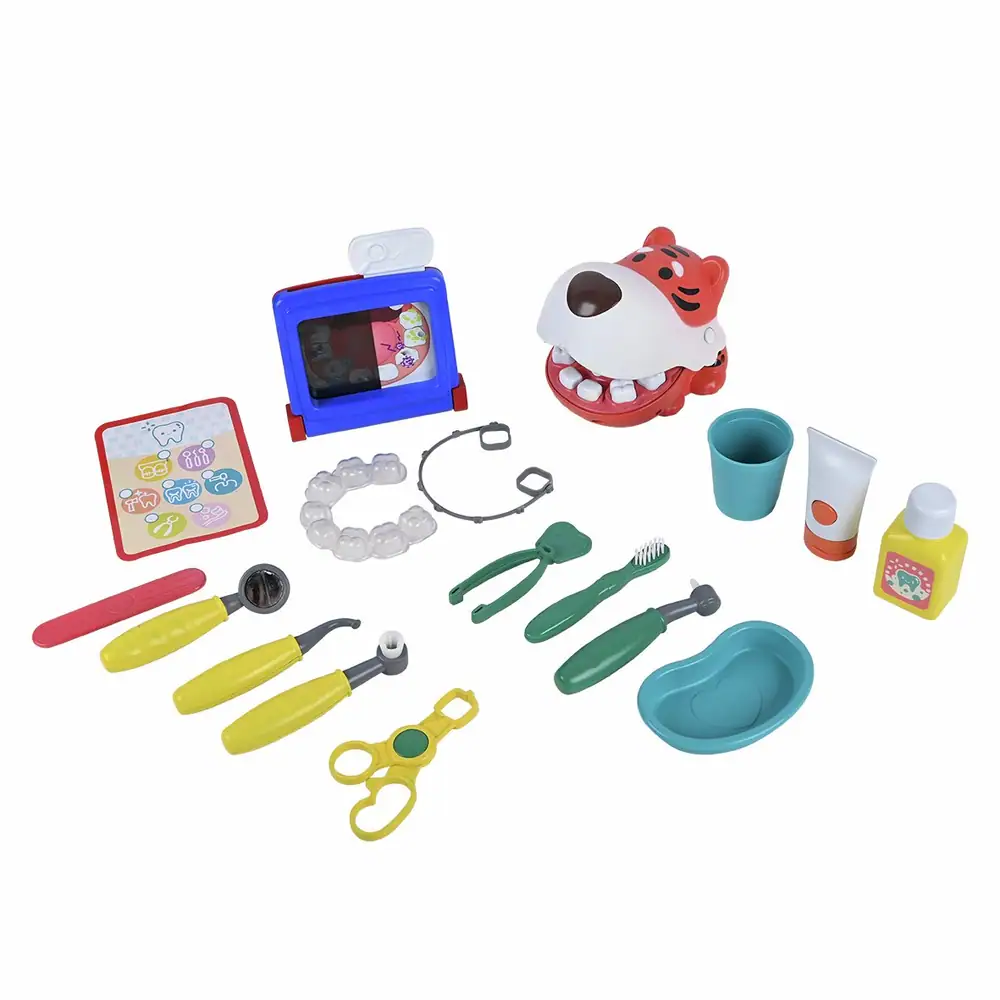
Guide
Educational toys can be worth it, but the best value usually comes from age fit, repeat play and the kind of activity a child already enjoys—not the label alone.
ReviewToys may earn a commission if you buy through links on this site.
Last verified: 2026-11-10
A toy is only as educational as the play it encourages. In this shortlist, the Chad Valley Learning & Development Dentist Set is a role-play toy with wooden tools and age 3+ guidance, so its appeal depends on pretend-care play rather than any blanket promise that it will teach more than other toys. That makes it a useful low-cost gift to consider, but only if the child enjoys make-believe and the stated age guidance still feels right.
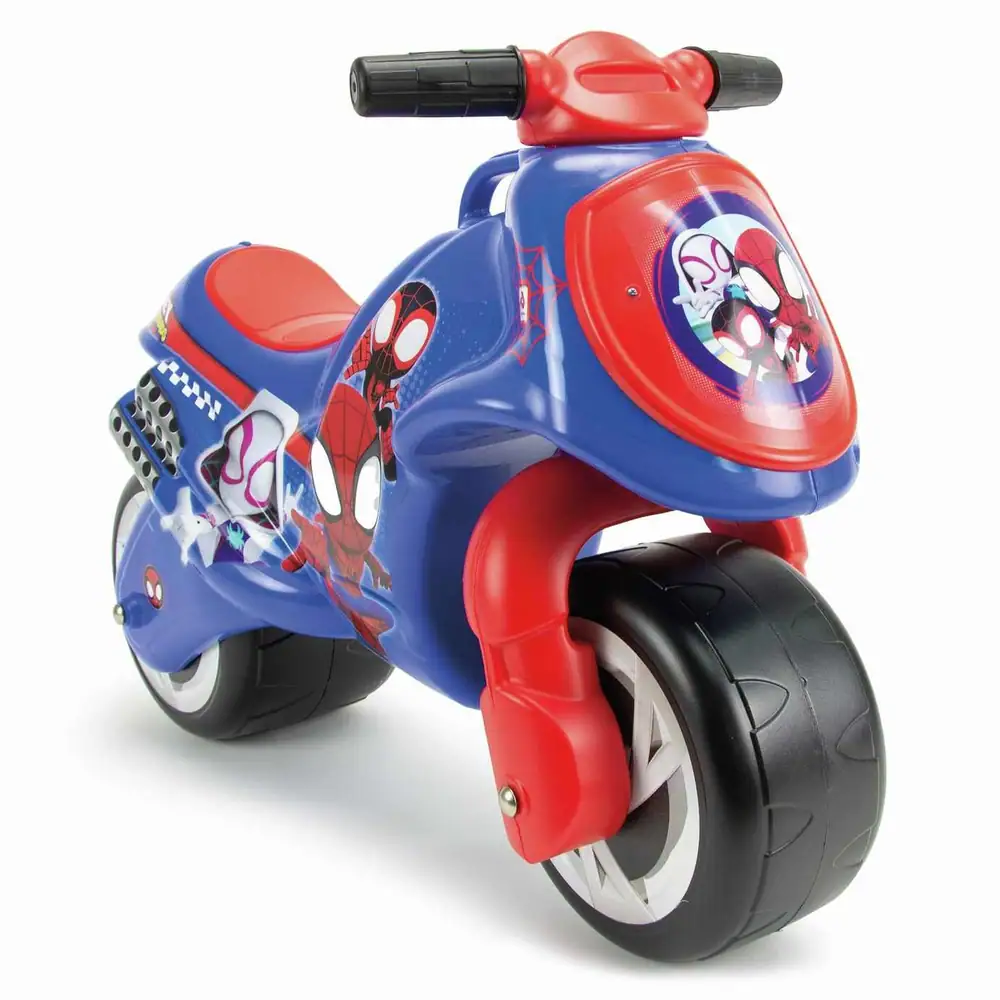
The most useful educational toys tend to invite repeat play in more than one way. The Injusa Spiderman Foot To Floor Ride On Learning Bike is a physical-play option rather than a desk-style learning toy, with 18 months+ guidance, a 30kg maximum user weight and a two-year guarantee. That points shoppers toward a different question: not whether it sounds educational, but whether there is enough floor space and enough interest in active riding to make it a toy the child will keep coming back to.
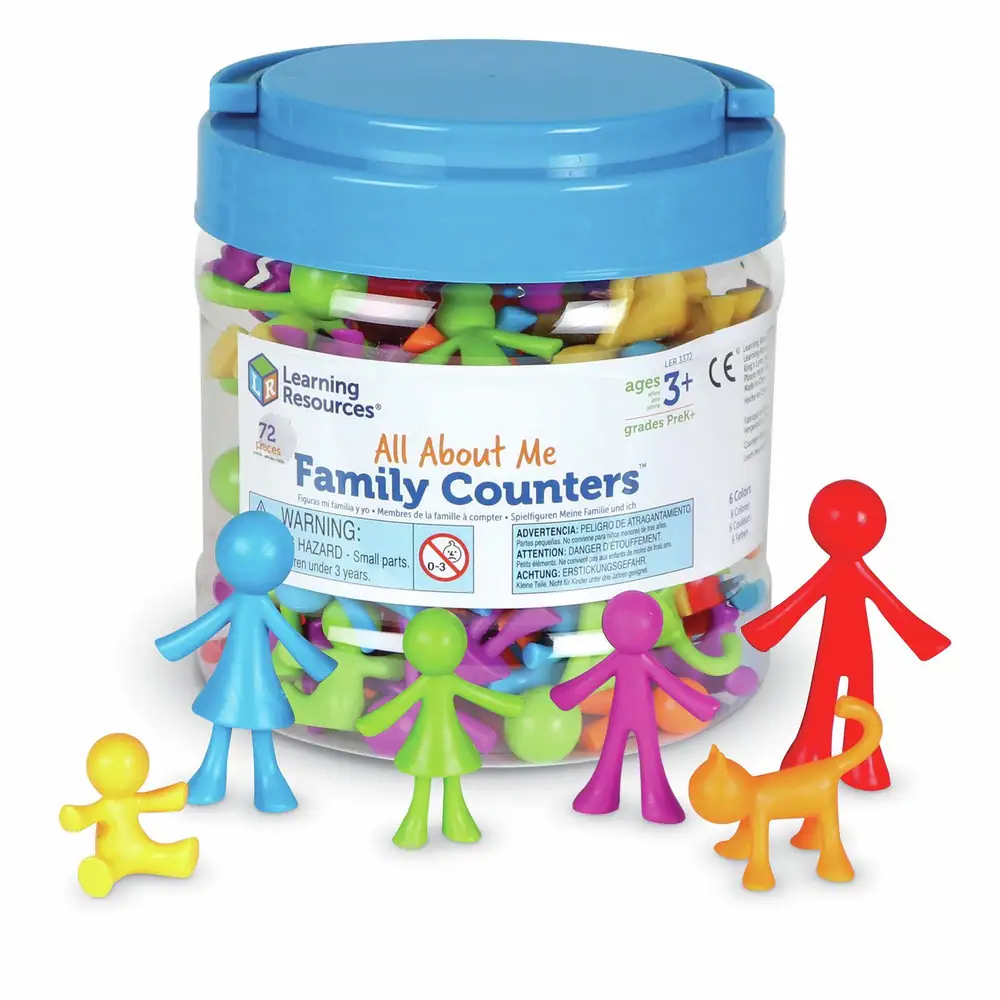
This page works best as a comparison of play patterns, not a contest between brands. The Learning Resources All About Me Family Counters Set includes 72 counters in six colours and is marked age 3+, which makes it a counting and sorting option rather than a role-play or movement toy. Compare the format first: pretend play, physical play or active sorting. That is usually more useful than comparing the box label or assuming all educational toys serve the same purpose.
Good value is about use, not price alone. The example prices run from £8 for the Chad Valley dentist set to £55 for the Injusa ride-on bike, with the Learning Resources counters at £22 in the middle, so the range is wide enough that shoppers should think about likely playtime, setup and gift fit before deciding. A toy can be worth it if it suits the child’s interests, gets used often and feels practical for the occasion, even when it is not the cheapest item on the list.
Public toy guidance points shoppers toward the activity itself, age fit and adult involvement rather than marketing language. That is why this article treats the Chad Valley Learning & Development Dentist Set (£8), the Injusa Spiderman Foot To Floor Ride On Learning Bike (£55) and the Learning Resources All About Me Family Counters Set (£22) as three different examples to compare, not as a promise that one is the universally best educational buy. The review picture is thin across the shortlist, so any confidence should stay modest and focused on fit, not supposed proof of learning outcomes.
Start with the child’s age, then look at play style, space needed and how much adult involvement the toy is likely to need. A role-play toy like the Chad Valley dentist set may suit a small gift or a child who likes pretend care. An active option like the Injusa bike makes more sense if you have room and want movement-led play. The Learning Resources counters are better if counting, sorting and active matching sound like a better fit. Before checking out, confirm the latest price, stock and delivery details, plus any included parts, age guidance and visible review information on the retailer page.
Last checked 2026-11-10. The source list below is included to help you check the details behind the comparison. Always confirm the latest price, delivery cost, stock status and product details with the retailer before buying.
Use these related toys guides and reviews to turn the advice into a practical shortlist.
A toy is more convincing as an educational buy when the activity itself supports something useful, such as counting, sorting, problem-solving, coordination or imaginative play. The label alone is not enough; age fit, repeat use and adult involvement matter more than the wording on the box.
Yes, lower-cost toys can still be good value if they suit the child and get used repeatedly. The £8 Chad Valley dentist set could be worthwhile as a compact role-play gift, but the real test is whether the play style matches the child, not whether the toy is cheap.
Match the toy to the child’s preferred activity. The dentist set is role play, the Injusa bike is movement-led play with 18 months+ guidance and a 30kg limit, and the Learning Resources counters focus on sorting and counting. Those are different uses, so they suit different children and occasions.
Not necessarily. Thin review details can be a weak sign of shopper satisfaction, but they do not prove learning value or long-term durability. When reviews are limited, lean more on the stated age range, included parts, space needed and whether the play style fits the child.
Good gift value usually comes from a mix of age fit, repeat play and practical details such as included accessories or space needed. A compact role-play set, a counting set with 72 counters or a ride-on toy with clear weight guidance can all make sense if they suit the child and the occasion.